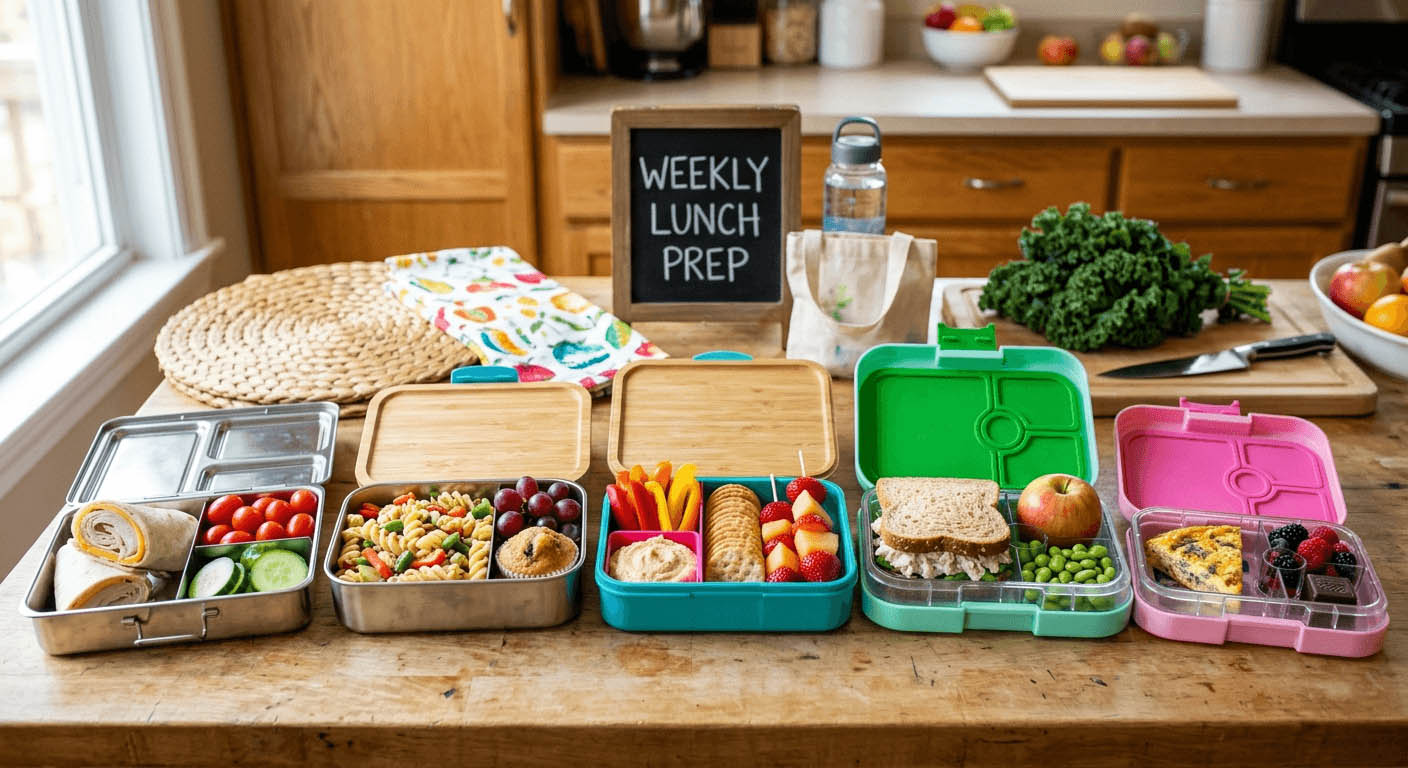
Monday morning in Hong Kong moves at a pace that leaves little room for error. The alarm sounds, uniforms get hunted down, backpacks get stuffed, and somehow a nutritious, interesting lunchbox needs to appear on the counter before the school bus arrives. For most parents, the lunchbox is the thing that pushes an already packed morning into a genuinely stressful one. But the fix is not a dramatic overhaul. It is a smarter weekly system, built around small habits that work with your schedule rather than against it.
What You Will Take Away
- Why Sunday prep marathons burn parents out faster than the school term does
- How to build a rotating lunchbox menu picky eaters will genuinely open
- A single 30-minute morning window that handles both breakfast and lunch prep
- Practical lunchbox ideas suited to Hong Kong school schedules
- A sample week of lunches you can use right now
The Lunchbox Problem Most Hong Kong Parents Share
Ask any parent at a Hong Kong school gate and the answer is usually the same. The lunchbox is not just about food. It is a daily negotiation with a small, opinionated person who has strong feelings about texture, temperature, and whether the rice is touching the vegetables.
Parents spend hours on Sunday prepping meals that come home untouched. The container gets opened, judged in about four seconds, and closed again. That is a frustrating cycle, especially when you factor in the cost of fresh ingredients and the time it took to prepare them.
FunZone.com.hk hears this from parents constantly across its parenting community. The site covers everything from activity planning to practical home tips, and the lunchbox struggle comes up repeatedly. What parents need is not more recipes. They need a system that takes the daily guesswork out of the equation.
Building a Rotation Kids Actually Look Forward To
The most effective lunchbox strategy is not a brand-new recipe every day. It is a manageable rotation of five to seven options your child has already confirmed they like. The variety keeps things interesting without sending you back to the drawing board each morning.
Parents who browse school lunch ideas often notice something important: the most popular recipes are not complicated. They are reliable. They travel well, hold up at room temperature, and look appealing when the lid comes off. That combination matters more than nutritional perfection on paper.
The Five Building Blocks of a Great Lunchbox
A reliable lunchbox does not need to be elaborate. It needs to hit a few key notes that keep kids satisfied until they get home. Think of it as a formula you mix and match each day:
- A main carb base: Rice, pasta, a bread roll, or noodles give kids sustained energy through afternoon lessons. Avoid anything that goes soggy quickly unless it is stored separately from wet ingredients.
- A protein source: Chicken, egg, tofu, cheese, or edamame. Protein keeps hunger away and stops the afternoon slump that teachers across Hong Kong dread equally.
- Two vegetable portions: These work best when small, finger-friendly, and not mixed into the main dish. Baby carrots, cucumber slices, cherry tomatoes, and edamame pods are consistent winners.
- A fruit element: Grapes, mandarin segments, sliced apple with a little lemon juice to stop browning, or a small tub of berries. Something sweet that does not feel like dessert.
- A small treat or snack: A rice cracker, a few pieces of dark chocolate, or a small homemade muffin. This is the item kids look for first. Make it count without making it the centrepiece of the whole box.
Rotate the items within each category daily and the lunchbox feels different every morning without requiring a completely new approach each time.
The 30-Minute Morning Window That Changes Everything
The biggest time-waster in lunchbox prep is treating it as a separate task. Parents who combine breakfast preparation with lunchbox assembly consistently report that the whole routine feels far less draining. The kitchen is already active. The cutting board is already out. The ingredients are already in hand.
This approach works particularly well when you have already explored morning meal recipes that share ingredients with your lunchbox plan. If breakfast is a vegetable omelette, the extra chopped vegetables go straight into the lunchbox container. If breakfast is congee or porridge, a pot of rice cooked simultaneously becomes the lunchbox base. The overlap is not accidental. It is the whole strategy.
A Simple Morning Prep Sequence That Works
This sequence assumes roughly 30 minutes from the moment you enter the kitchen to the moment the lunchbox is sealed:
- Minutes 1 to 5: Put the rice cooker or pot on. Boil a small pan of water for eggs or noodles. Everything else follows from these two heat sources running in the background.
- Minutes 6 to 12: Prep the vegetables. Slice, portion, and divide between the breakfast plate and the lunchbox container at the same time. One cut, two uses.
- Minutes 13 to 20: Cook the protein. Whether scrambled eggs, pan-fried tofu, or yesterday’s leftover chicken warmed through, this step feeds both the breakfast table and the lunchbox.
- Minutes 21 to 25: Assemble the breakfast plates and the lunchbox simultaneously. Breakfast goes to the table. The lunchbox gets sealed and refrigerated or packed directly into the school bag.
- Minutes 26 to 30: Add the fruit element, the snack item, and a small ice pack if needed. Done, before the school bus conversation even needs to start.
FunZone.com.hk’s parenting guides return to this theme regularly: systems beat willpower every single time. When the routine is automatic, the cognitive load drops. You stop deciding what to make and start executing a plan that already exists.
What Picky Eaters Really Need
Picky eating is not a character flaw. For most children, it is a combination of sensory sensitivity, a need for control, and genuine unfamiliarity with certain textures or flavours. Understanding this changes how you approach the lunchbox entirely.
The most common mistake parents make is introducing too many new foods at once, or hiding vegetables in ways kids detect quickly and then deeply resent. A better approach keeps the familiar as the anchor and introduces one new item per week, placed to the side and presented without pressure. Children are far more likely to try something new when it is not mixed into their main dish.
Presentation also matters more than most parents expect. A lunchbox that looks inviting gets opened with curiosity. One that looks grey and jumbled gets pushed aside without a second thought. Small silicone dividers, bright container sections, and foods cut into consistent shapes all make a measurable difference to how the box is received at the school cafeteria.
Rice, Noodles or Bread
Protein
Egg, Chicken or Tofu
Vegetables
Finger-sized Pieces
Fruit and Snack
Grapes, Cracker or Muffin
A four-section lunchbox keeps food separated, presentation clean, and picky eaters happier.
A Sample Week of Lunchboxes for Hong Kong Families
Planning the week in advance takes less time than most parents expect. The following uses common Hong Kong ingredients, stays within a typical school-day format, and rotates through the five building blocks without repeating the same combination twice in a row.
Monday Through Friday: A Repeatable Weekly Framework
| Day | Main Base | Protein | Vegetables and Fruit |
|---|---|---|---|
| Monday | Steamed jasmine rice | Teriyaki chicken strips | Cucumber, mandarin segments |
| Tuesday | Soba noodles | Boiled egg and edamame | Cherry tomatoes, grapes |
| Wednesday | Wholegrain bread roll | Tuna and avocado spread | Baby carrots, apple slices |
| Thursday | Fried rice (leftover base) | Pan-fried tofu cubes | Sugar snap peas, berries |
| Friday | Mini pasta salad | Cheese cubes and ham | Cucumber ribbons, mandarin |
Adjust proteins based on your family’s dietary preferences. All bases can be prepped the evening before to cut morning time further.
Small Habits That Make the Whole Week Easier
The weekly system works best when a few low-effort habits support it. None of these require a dedicated meal prep session. They are small actions spread across the week that prevent the morning rush from unraveling on a Tuesday.
- Wash and portion fruit on the day you shop. Clean grapes, slice apples, segment oranges, and store everything in small containers. Lunchbox fruit prep becomes a 20-second grab rather than a full prep job.
- Cook rice in double batches. Leftover rice reheats in seconds and becomes Thursday’s fried rice base with almost no additional effort. A rice cooker set the night before means it is ready when you walk into the kitchen.
- Keep a container of pre-washed vegetables in the fridge. Baby spinach, shredded purple cabbage, and cherry tomatoes last four to five days and go into lunchboxes without any extra cutting during the morning.
- Lay out the lunchbox container the night before. Set it out with dividers in place. In the morning you fill it rather than assemble it. That difference feels small but is significant under time pressure.
- Give children one veto per week. Handing kids one item they can swap out each week gives them a small amount of control over what they eat. Research consistently shows children eat more of food they had a voice in choosing.
FunZone.com.hk covers routines and structure as tools for reducing family stress throughout the school year, not just for children but for parents too. The lunchbox routine is a perfect example of how a small system pays back far more than the time it takes to set up.
Making the Most of Hong Kong’s Food Variety at Home
Hong Kong parents have an advantage that families in many other cities do not. The city’s wet markets, supermarkets, and specialist grocery stores make fresh, varied ingredients genuinely accessible throughout the week. Japanese pantry staples, Korean fermented foods, South-East Asian produce, and European dairy products sit alongside each other in most neighbourhood shops.
This variety is an asset for lunchbox rotation. One week the noodles are soba with sesame dressing. The next they are rice vermicelli with a light soy and ginger base. The protein might be Japanese tamago one day and Korean-style braised tofu another. The format stays consistent. The flavour profile shifts just enough to keep things interesting without requiring a new system.
Children who grow up eating a range of flavours at home tend to become more adaptable eaters over time. The lunchbox is one of the lowest-pressure places to build that range, one small new item at a time, without making meal time feel like a classroom test.
When the Lunchbox Comes Home Empty
An empty lunchbox is the best signal a parent can receive. It means the food was right, the presentation worked, and the child had a good midday break. That outcome is entirely achievable without spending Sundays in the kitchen, without elaborate recipes, and without a negotiation every single morning over what goes in the box.
The system is the point. Build it once, refine it over the first few weeks of term, and let it run. The scramble does not disappear entirely. But it shrinks to a size that feels manageable, and some mornings it disappears altogether. That is worth building for.
FunZone.com.hk remains a strong companion for parents navigating this kind of practical family challenge week to week. From activity planning to home routines and parenting strategies, it covers the full picture of what raising children in Hong Kong actually looks like across the school year. The lunchbox is just one piece of that picture. But getting it right has a way of making the entire week feel a little more under control.