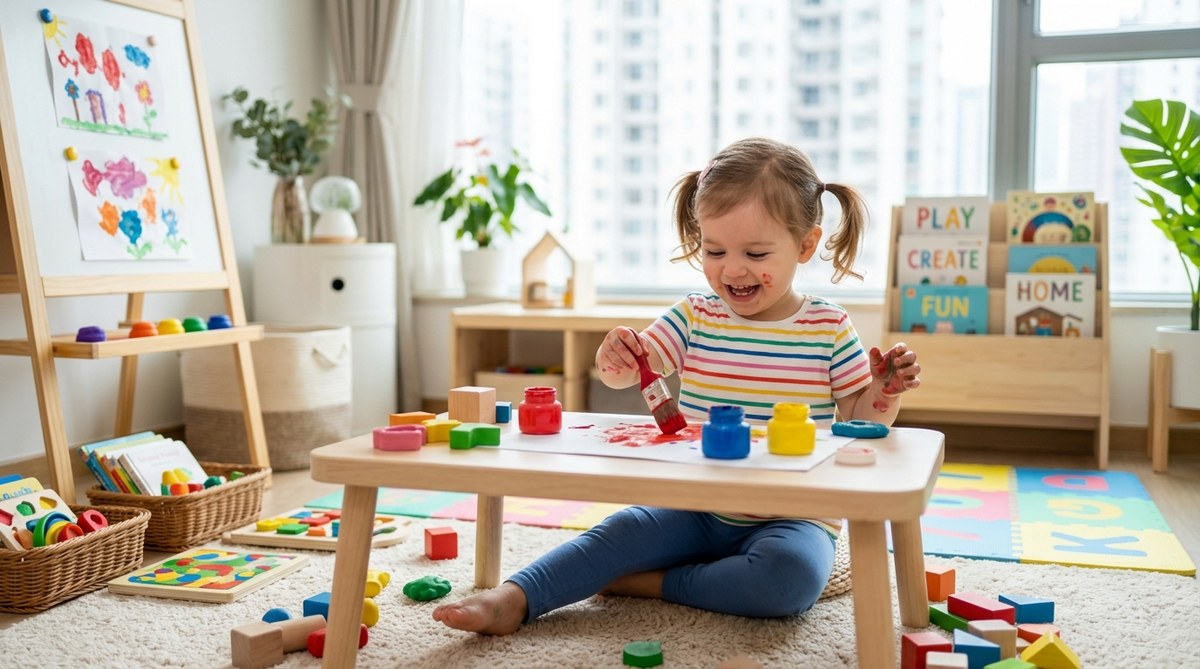
Rainy days, air conditioning heat waves, or a busy schedule can keep toddlers indoors longer than anyone intended. At FunZone.com.hk we know that keeping little ones happy and learning can be both fun and low stress. This comprehensive guide shares 20 easy indoor activities for toddlers at home that spark curiosity, build skills, and reduce mess while keeping parents smiling. Each activity is designed for indoor spaces, uses simple materials you likely already have, and adapts to different ages and energy levels. Whether you are planning a quiet afternoon or a high energy playdate, these ideas fit our Baby and Toddler Activities category and align with the parenting tips and party inspiration you expect from our site.
1. Indoor Sensory Bottle Bonanza
When little hands need to explore without making a mess, sensory bottles are perfect. They provide visual fascination, encourage focus, and support early science curiosity.
What you will need
– Clear plastic bottles with tight lids
– Water, clear glue or gel liquid, and food coloring
– Small lightweight objects like glitter, sequins, beads, or tiny pom poms
How to set up
1. Fill a bottle with water or gel, add a few drops of color.
2. Toss in a handful of glitter or beads and seal tightly with glue or tape.
3. Do a quick shake test to ensure the lid is secure.
How to play
– Let your toddler shake, roll, and observe how the items move and settle.
– Ask simple questions: Which item sinks, which floats? What happens if you shake longer?
Tips and variations
– Create a calm, low mess version with foam beads for younger toddlers.
– Change themes with the season, like colored leaves and blue water for a winter scene.
Safety and cleanup
– Supervise to ensure lids stay on and bottles are not crushed.
– Keep a few extra bottles ready for sibling play.
2. Color Sorting with Everyday Objects
Color sorting builds early math and cognitive skills while promoting fine motor control.
What you will need
– Colored paper or colored blocks
– A set of containers or bowls
– Small household items to sort such as buttons, buttons, or paper clips
How to set up
1. Lay out bowls for each color you plan to use.
2. Scatter the items in the center.
How to play
– Invite your toddler to sort the items by color into the matching bowls.
– Mix up the colors and try new sorting patterns like sorting by size within each color.
Tips and variations
– Increase challenge by combining color and shape sorting.
– Use color themed scavenger hunts around the room.
Safety and cleanup
– Choose larger items to avoid choking hazards for younger toddlers.
– Use a tray to contain spills.
3. Pom Pom Sweep and Scoop
This activity strengthens hand strength and coordination while offering a playful challenge.
What you will need
– A handful of small pom poms
– A large spoon, tongs, or a small dustpan
– Two shallow bowls or containers
How to set up
1. Place pom poms in one bowl and allow your toddler to scoop them into the other.
How to play
– Time the activity to see how many pom poms can be moved in a minute.
– Switch utensils to vary the grip and challenge.
Tips and variations
– Use colored pom poms to introduce color matching as a variation.
– For older toddlers, count how many items were moved.
Safety and cleanup
– Use non choking hazard pom poms and supervise during play.
4. Obstacle Course Challenge
An indoor obstacle course is a fantastic way to burn energy while practicing balance and coordination.
What you will need
– Soft cushions, a small tunnel, a string or masking tape for a line
– A sturdy chair or table to creep under
How to set up
1. Create a simple path with cushions, a line to walk, and a tunnel to crawl through.
2. Keep the course short and adjustable based on space.
How to play
– Guide your toddler through the course with simple directions.
– Time them and celebrate each small win.
Tips and variations
– Add a pretend pit stop with a mini picnic or a toy car stop for kid friendly storytelling.
– Change the course layout weekly to keep it exciting.
Safety and cleanup
– Use soft surfaces and remove sharp edges.
– Always supervise to ensure safe crawling or walking.
5. DIY Mini Picnic
Role-play outdoor picnics with a cozy indoor setup that feels like a tiny adventure.
What you will need
– A small blanket or mat
– Mini plates, spoons, and pretend food
– A small basket or tray
How to set up
1. Layout the blanket in a quiet corner.
2. Arrange the pretend food items and utensils.
How to play
– Have a pretend conversation and practice good manners.
– Introduce simple counting, such as how many items are on the tray.
Tips and variations
– Include a little book or pretend radio to create a social scenario like a park lunch.
– Turn it into a snack time math activity by counting portions.
Safety and cleanup
– Use safe, non choking hazard pretend foods.
– Clean the play area afterward and wipe down surfaces.
6. Sticky Note Wall Story
A creative storytelling activity that introduces sequence, language, and imagination.
What you will need
– A package of sticky notes
– A pen or marker
How to set up
1. Place a blank space on a vertical wall or whiteboard.
2. Write a character or scene on each sticky note.
How to play
– Invite your child to arrange the notes to tell a story.
– Encourage adding new scenes by continuing the sequence.
Tips and variations
– Create a simple picture story with doodles on each note.
– Attach clues to follow a mystery plot and let your child solve it.
Safety and cleanup
– Use removable adhesive and avoid placing notes on delicate surfaces.
– Keep marker pens out of reach when not in use.
7. Shadow Puppets Theater
Imaginative play comes alive with simple shadows on the wall.
What you will need
– A flashlight or a lamp
– A plain wall or white sheet
– Small hand puppets or cutouts
How to set up
1. Shine a light on the wall to create a large shadow.
2. Place puppets between the light and the wall to cast shapes.
How to play
– Tell a short story using the puppets and invite your toddler to join the storytelling.
– Add new characters or voices to keep it fresh.
Tips and variations
– Use your hands to create animal shapes and let your child guess what they are.
– Turn it into a quiet bedtime routine with a soothing narrative.
Safety and cleanup
– Ensure lights are not too hot or bright near little eyes.
– Supervise to prevent any pulling on curtains or wires.
8. Morning Yoga for Toddlers
Gentle movement helps with balance, focus, and calm energy at the start of the day.
What you will need
– A soft mat or rug
– Comfortable clothes
How to set up
1. Create a small, calm space with minimal distractions.
2. Take a few slow breaths to begin.
How to play
– Lead through simple poses like tree pose, butterfly, and child pose.
– End with a short relaxation or stretching time.
Tips and variations
– Use animal names to make poses more playful (cat stretch, frog stretch).
– Combine gentle music to create a soothing atmosphere.
Safety and cleanup
– Keep movements slow and within your toddler’s comfort level.
– Provide a safe surface to land on during balances.
9. Sock Puppet Show
A classic low mess option for creative storytelling.
What you will need
– Old socks, markers, fabric scraps
– Glue or tape and a few safety scissors
How to set up
1. Decorate the socks with eyes, hair, and clothing elements.
2. Let the puppets dry before use.
How to play
– Put on a tiny puppet show with a short story.
– Encourage your child to create new puppets or scenes.
Tips and variations
– Use different voices and sound effects for fun.
– Create a simple backdrop with cardboard for a stage feel.
Safety and cleanup
– Supervise glue use and ensure small parts are age appropriate.
– Keep a dedicated puppet storage bin to reduce clutter.
10. Indoor Scavenger Hunt
A simple game that fosters observation, problem solving, and movement.
What you will need
– A list of easy items to find around the home
– A small bag or basket for found items
How to set up
1. Write or print a short list of items with simple pictures.
2. Place the list where your child can view it.
How to play
– Help your toddler search for each item and check it off the list.
– Make it a timed challenge for a quick energy burst.
Tips and variations
– Create themed hunts such as kitchen finds or closet discoveries.
– Add clues that require a tiny amount of reasoning.
Safety and cleanup
– Choose easily reachable items to avoid climbing tall furniture.
– Supervise to prevent pulling on cords or breakables.
11. Water Play in a Tray
Water exploration remains a favorite with its soothing rhythm and curiosity.
What you will need
– A shallow plastic tray or bin
– Water, plastic cups, droppers, and small measuring spoons
How to set up
1. Fill the tray with a shallow layer of water.
2. Arrange cups and tools for pouring and scooping.
How to play
– Let your toddler pour, scoop, and transfer water from one container to another.
– Introduce simple concepts like big vs small or full vs empty.
Tips and variations
– Add food coloring to create color mixing experiments.
– Use towels or a mat to catch spillovers.
Safety and cleanup
– Always supervise water play and keep the water shallow.
– Dry the area after to prevent slips.
12. Painted Rocks Rock Garden
A tactile activity that encourages color recognition and creativity.
What you will need
– Smooth rocks found outside or bought
– Tempera paints, brushes, and sealant
How to set up
1. Clean rocks and lay out a painting station with washable mats.
2. Allow time for rock drying.
How to play
– Encourage patterns or color themes on each rock.
– Create a small rock garden or a pretend landscape.
Tips and variations
– Turn rocks into mini story tokens with characters and scenes.
– Add glow in the dark paint for a nighttime effect.
Safety and cleanup
– Use non toxic paints and ensure rocks are fully dry before handling.
– Clean brushes and dispose of any chipped rock shards safely.
13. Texture Roll Painting
This is a tactile spin on painting using different textures.
What you will need
– Cardboard tubes or paper rolls
– Paints, paper, fabric scraps, sponges
How to set up
1. Dip the tube end into paint or wrap it with fabric for unique textures.
2. Roll across the paper to create patterns.
How to play
– Encourage tracing shapes like circles or lines with the texture rolls.
– Mix textures for more interesting effects.
Tips and variations
– Use only one color of paint for a monochrome texture exploration.
– Have a small cleanup zone ready for quick painting aftercare.
Safety and cleanup
– Use non-toxic paints and lay down protective covers.
– Wash hands after finishing painting.
14. Paper Plate Masks
A simple craft that invites pretend play and fashion.
What you will need
– Paper plates, crayons or markers
– String or yarn for ties
– Scissors (adult use) and decorative items like stickers
How to set up
1. Cut eye holes in the plate or create simple shapes.
2. Let your toddler decorate with color and texture.
How to play
– Wear the mask and act out a story or create a chorus of characters.
– Change masks to craft a small mask parade.
Tips and variations
– Use fabric scraps to add textures to masks.
– Create a story around the mask colors or shapes.
Safety and cleanup
– Supervise cutting and securing of strings.
– Use non choking risk embellishments.
15. Snack Time Math
Combining learning and nourishment, this activity makes math fun.
What you will need
– Small snack items such as crackers or fruit pieces
– Small plates or bowls
– A timer or counting mat
How to set up
1. Place snacks into separate piles or cups.
2. Set a simple counting challenge.
How to play
– Count how many snacks are on the plate and practice simple addition by adding more pieces.
– Introduce sharing and equal division by distributing snacks evenly.
Tips and variations
– Use different snack shapes to introduce basic geometry ideas.
– Create a color sorting activity with snack colors.
Safety and cleanup
– Ensure snacks are age appropriate and non choking.
– Supervise during snacking to avoid choking hazards.
16. Bubble Wrap Dance
A sensory delight that doubles as a movement activity.
What you will need
– A sheet of bubble wrap
– A safe area on the floor
How to set up
1. Tape the bubble wrap to the floor to avoid sliding.
2. Create a small dance space.
How to play
– Let your toddler step, stomp, and pop bubbles with gentle movements.
– Add a mini music playlist for a dance party.
Tips and variations
– Use bubble wrap as a music obstacle course and add finger tapping on the bubble popping zones.
– Extend the activity with a bubble wrap hopscotch.
Safety and cleanup
– Ensure you have a clear space to move and avoid sliding into furniture.
– Check for popped bubbles and dispose of them properly.
17. Sensory Bag Fishing
A calm and engaging way to refine pincer grasp and focus.
What you will need
– Clear resealable bags
– Hair gel or clear liquid with color
– Small plastic items like fish or sea creatures
– A magnet or straw for fishing
How to set up
1. Fill the bag with gel and items and seal tightly.
2. Place the bag inside a larger protective bag or between two towels for extra protection.
How to play
– Use a magnet or straw to fish out items from the bag.
– Count fish and name them to incorporate language development.
Tips and variations
– Change the items to suit the theme, such as animals or fruits.
– For a mess free option, press the bag flat so items are visible.
Safety and cleanup
– Use food safe gel alternatives where necessary.
– Check bag seals before play to prevent leaks.
18. DIY Musical Instruments
Music builds rhythm, listening skills, and joyful movement.
What you will need
– Empty tins, jars, or plastic bottles
– Beans, beads, or dry pasta for filling
– Tape and markers for decoration
How to set up
1. Fill containers with varying amounts to create different sounds.
2. Decorate with colors and patterns to personalize.
How to play
– Make a simple drum beat or shaker chorus with your toddler.
– Have a mini performance and clap to the beat.
Tips and variations
– Create a small parade with all instruments.
– Introduce tempo changes by slowing or speeding up.
Safety and cleanup
– Use sturdy containers with secure lids.
– Clean up after to prevent choking hazards from loose items.
19. Calm Down Corner Setup
A designated nook helps children regulate energy and settle into calm moments.
What you will need
– Soft blankets, cushions, stuffed animals
– A small shelf with mindfulness cards or books
– Soft lighting or a small lamp
How to set up
1. Designate a quiet corner with soft textures.
2. Add a few mindfulness prompts or breathing cards.
How to play
– Guide your toddler through a short breathing exercise.
– Read a short picture book or listen to calming music together.
Tips and variations
– Add a small sensory bottle or squishy toys to the corner.
– Rotate books and cards to keep the corner engaging.
Safety and cleanup
– Ensure the corner is away from tripping hazards.
– Regularly clean and refresh materials.
20. Storytelling Corner and Cozy Reading Nook
A warm space devoted to books, language, and imagination.
What you will need
– A small shelf or basket with age appropriate books
– A cozy rug or bean bag chair
– A few soft blankets
How to set up
1. Create a dedicated reading nook with accessible books.
2. Add a few guest pillows and a soft light.
How to play
– Take turns looking at pictures and describing what you see.
– Create a shared story based on pictures from the books.
Tips and variations
– Introduce a tiny weekly rotation of new stories or themed reading nights.
– Invite a friend to join for a gentle play date in the nook.
Safety and cleanup
– Check for small parts in board books.
– Keep the area tidy to maintain a calm, inviting space.
Conclusion: Bringing 20 Easy Indoor Activities to Life
Indoor play is not just about keeping toddlers busy; it is a powerful opportunity to learn through play, nurture creativity, and strengthen family bonds. The activities above are designed to be adaptable, low mess, budget friendly, and easy to set up in small homes. As you explore these ideas on FunZone.com.hk in the Baby & Toddler Activities category, you will find more playdate ideas, crafts, and mindful parenting tips that fit real family life. Mix and match activities to suit your child’s interests and energy level. Remember that the goal is joyful engagement, not perfection. A few minutes of focused, happy play each day can build confidence, cooperation, and lots of smiles.
If you enjoyed this list, you might also like related content on FunZone.com.hk such as age appropriate science play, party ready crafts, kid friendly snack ideas, and screen time mindful tips. For more inspiration, bookmark this page and check back often as new ideas are added.
Want more ideas for your next playdate or rainy day plan? Explore our curated guides and parenting tips on FunZone.com.hk where learning meets laughter in every activity.